20 Oct 2026
The Integration of Live Dealer Indicators with Swift Wallet Validations on Mobile Gaming Platforms
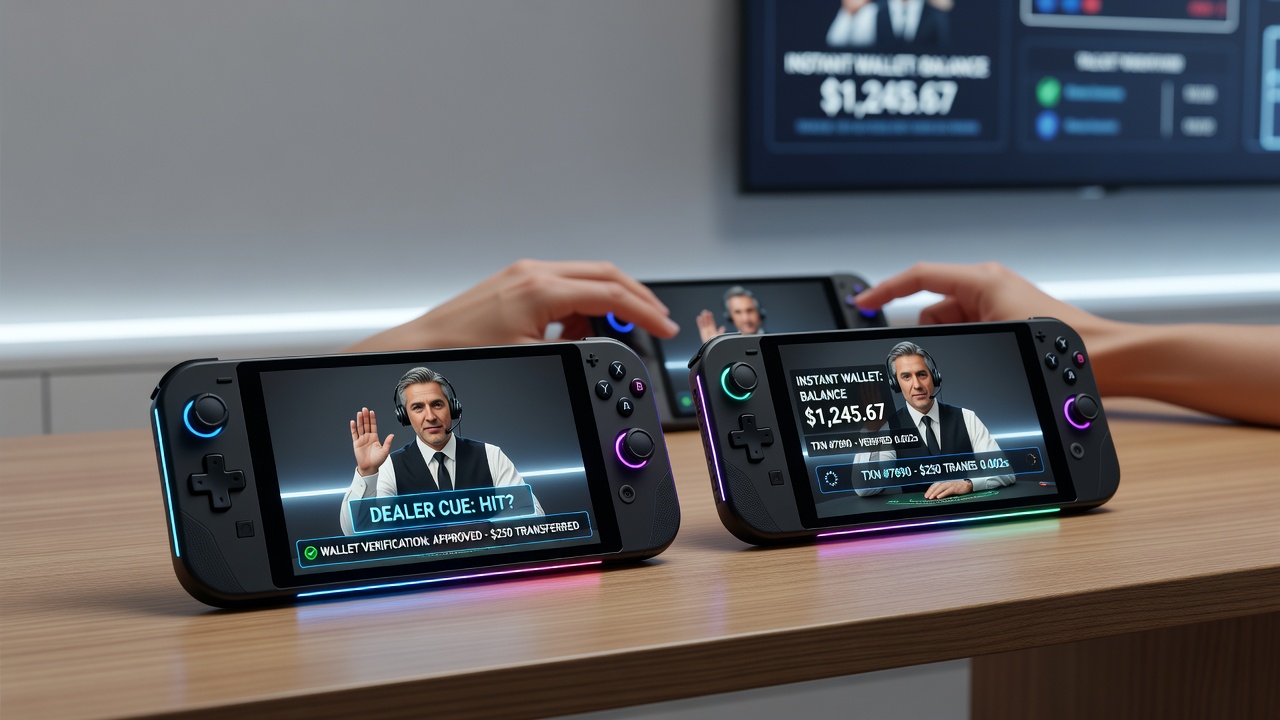
Live dealer environments on portable devices rely on continuous visual and behavioral signals from human operators while payment systems process verifications in fractions of a second, creating a synchronized workflow that supports uninterrupted sessions. Observers note that dealer gestures, timing cues, and table announcements must align precisely with backend wallet checks to prevent delays that could disrupt gameplay flow.
Core Components of Real-Time Dealer Cues
Dealers transmit information through hand signals, card placements, and verbal confirmations that streaming technology captures at high frame rates, allowing mobile users to interpret outcomes instantly. Data from platform operators shows these cues integrate with software overlays that highlight relevant actions, such as bet closures or payout announcements, which helps maintain pace across varying network conditions. Research indicates that synchronization protocols adjust for latency by buffering certain visual elements while wallet processes complete in parallel.
Mechanics of Instant Wallet Verifications
Wallet systems on handheld platforms employ token-based authentication and biometric triggers to confirm transactions without requiring users to exit the game interface. Figures from industry reports reveal average verification times under three seconds when systems connect directly to banking partners or digital payment networks. Those who've studied these processes know that security layers, including fraud detection algorithms, run concurrently with dealer streams to flag irregularities before funds transfer.
How These Elements Interact on Portable Devices
Portable applications merge dealer cues and wallet verifications through shared application programming interfaces that update both visual feeds and account balances simultaneously. One study revealed that when a dealer signals the end of a betting round, the system cross-checks pending deposits or withdrawals to ensure compliance before proceeding to the next hand or spin. This coordination reduces errors and supports regulatory requirements for responsible play tracking across jurisdictions.
Turns out the technical backbone involves edge computing nodes that process dealer video streams locally while cloud services handle wallet token validation, minimizing round-trip delays. Experts have observed this dual-path approach in deployments where mobile users experience seamless transitions between live tables and account management screens without visible interruptions.
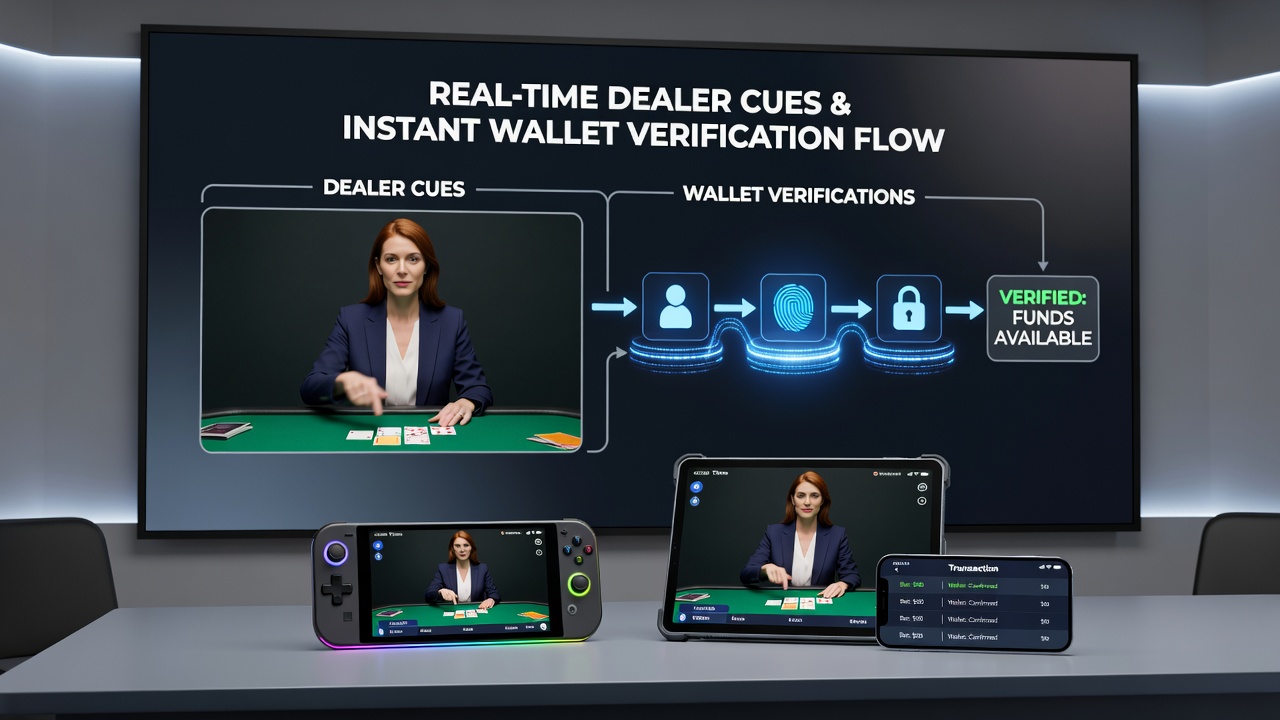
Platforms active in October 2026 have expanded these capabilities through updated software versions that incorporate predictive analytics, anticipating verification needs based on user patterns observed during dealer interactions. According to the New Jersey Division of Gaming Enforcement, such integrations help maintain audit trails that link specific dealer events to transaction timestamps for compliance reviews.
Regional Developments and Platform Adaptations
Operators in North American markets have adjusted their mobile frameworks to meet varying state-level standards that govern both live streaming integrity and financial transaction speeds. Data indicates Canadian provincial regulators, including those overseeing Ontario systems, require documented testing of cue-verification alignment to certify platform stability under peak loads. Meanwhile, Australian oversight bodies track similar metrics through mandatory reporting that covers handheld device performance across different carrier networks.
There's this case where development teams adjusted dealer cue rendering engines after identifying bottlenecks during high-volume wallet checks, leading to refined compression techniques that preserve signal clarity. Observers note these refinements appeared in updates rolled out during the third quarter of 2026, coinciding with broader hardware improvements in mobile chipsets.
Security and Compliance Considerations
Encryption protocols wrap both video feeds and wallet data packets to prevent interception, yet the interplay demands that verification results reach the user interface at the same moment dealer outcomes display. Research from academic sources on mobile security highlights how multi-factor checks embed within the same session tokens that manage live table access, creating unified audit points. The Australian Communications and Media Authority has documented requirements for such unified logging in its technical standards for interactive gambling services.
People who've examined these systems find that anomaly detection runs continuously, comparing dealer timing patterns against historical data while wallet systems validate against known fraud signatures. This parallel monitoring supports rapid response when discrepancies arise, keeping sessions stable across portable connections.
Conclusion
The technical synchronization between real-time dealer cues and instant wallet verifications continues to shape mobile gaming architecture through shared data pathways and regulatory alignment. Platform updates in late 2026 reflect ongoing refinements that prioritize both operational speed and security verification across diverse device environments. Those tracking the sector observe steady evolution in how these components support consistent user experiences without compromising oversight standards.